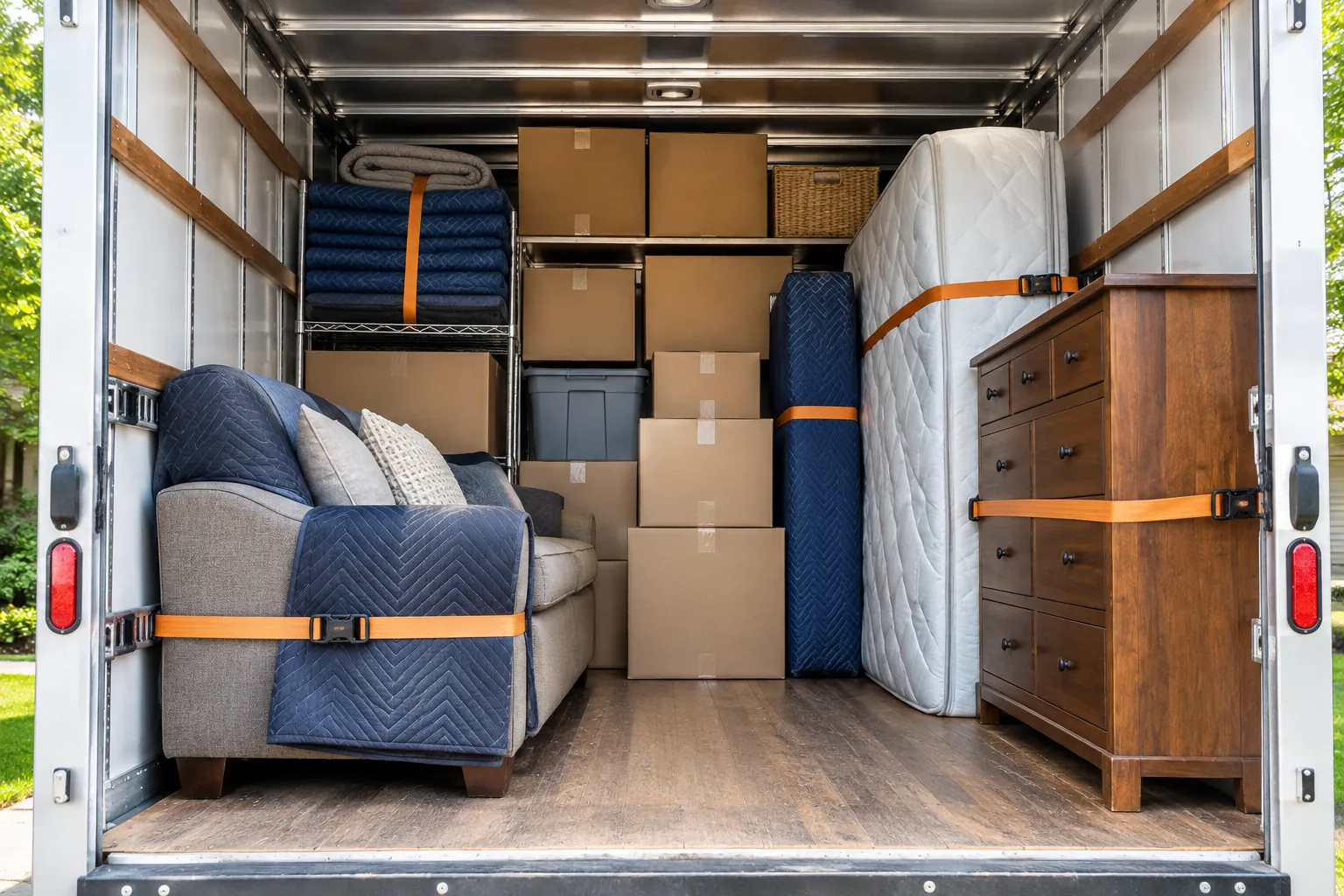

The work before a move feels easier when it has a sequence. Instead of trying to pack, book help, change addresses and clean all at once, handle the decisions that affect everything else first. Then use the final days for the things that can only happen close to moving day. This plan works for a Colorado household move whether you have six weeks or need to compress it into less time.
Six to eight weeks before: set the plan before buying boxes
Start by writing down your move date, both addresses and the people who need to be involved. Then make a quick walk-through inventory. You do not need a perfect spreadsheet. Note the large furniture, the rooms with the most boxes, anything fragile and the items that need special planning. That gives you a realistic view of the work before the first carton is sealed.
Next, decide what will not make the trip. Separate donations, recycling and disposal from the things you are keeping. A move is a costly time to transport belongings you already know you do not want. Begin with storage spaces, seasonal items and the least-used rooms, then use Taylor’s guide on what to pack first to keep daily life functional while you make progress.
This is also the point to check access at both homes. Ask about truck parking, stairs, elevators, loading zones, building move windows and any property-manager instructions. A Longmont driveway, Boulder apartment and townhome with a shared lane can all need different plans. Share those details when you request a free moving estimate so the crew, truck and timing fit the actual move.

Four to six weeks before: choose help and begin a steady packing rhythm
Once you know the size of the job, decide what level of help makes sense. A small, simple move may need a rental truck and a few strong helpers. A larger household, difficult access, limited time or heavy furniture may be safer with experienced movers. The important thing is to make the choice early enough that you are not forced into whatever is still available.
If Taylor is handling the move, prepare the details that make an estimate useful: addresses, date range, home size, parking, stairs, elevators, large pieces and the rooms that need packing. Taylor has served Colorado households since 1997 and can build a reliable, affordable plan around full-service residential moving, professional packing or loading and unloading help.
Set a small packing goal for each day or weekend. Finish one low-use area before opening another so the house becomes simpler rather than more chaotic. Pack books in manageable boxes, set aside fragile belongings for a careful session and keep hardware with the furniture it belongs to. The individual guides for packing books, packing furniture and protecting fragile items can keep the most common problem areas from becoming a last-minute scramble.
Two to three weeks before: confirm the new-home basics
Now shift from sorting to coordination. Confirm when utilities will stop at the old address and begin at the new one. Make a short list for power, gas, water, internet, trash, insurance, school or child-care changes and anything that needs an appointment. If your building requires an elevator reservation or proof of insurance, make sure it is handled before the truck arrives.
Schedule mail forwarding with enough lead time. The USPS change-of-address service says an approved request should be allowed seven to ten business days to take effect. Forwarding mail is useful, but it does not replace updating the organizations that matter most, such as your bank, employer, insurance provider, medical offices and subscriptions.
Colorado households should also separate their driver-license and vehicle-registration tasks. The Colorado DMV explains that a driver-license address update does not change the address on a vehicle registration. Handle each one through the appropriate channel rather than assuming one form covers both.
Keep packing by room, but do not empty the rooms you use every day too soon. For the kitchen, start with specialty tools, serving pieces and duplicate dishes, then use the kitchen packing guide when it is time for the working cupboards. For bedrooms, keep a week of clothes accessible and pack the rest with the help of the guides for clothes and shoes.
One week before: make moving day easy to enter and easy to leave
By the final week, most boxes should be sealed and labeled with the destination room and a short content note. Confirm the arrival window, the best parking location, building access and a phone number for any property contact. Clear a direct path from each room to the door, and identify furniture that needs to be disassembled or protected before the crew arrives.
Check the refrigerator and pantry, plan simple meals and use up what will not travel well. Return borrowed items, pick up anything at repair shops or dry cleaners, and make a folder for estimates, contracts, keys and closing or lease documents. If you are driving a rental truck, review its rules before loading. Taylor’s moving truck guide explains how a stable load is built from heavy furniture and boxes outward, rather than by filling random gaps.
Do a final walk-through of both the old and new home with practical eyes. At the old home, note anything that needs cleaning or repair after the truck leaves. At the new home, decide where the beds, large furniture and first boxes will go. A few placement decisions before moving day save repeated lifting when everyone is tired.

The day before: pack a first-night kit that does not go on the truck
Put the things you would hate to search for into a bag, tote or box that travels with you. Include medications, documents, keys, wallets, chargers, glasses, pet supplies and a change of clothes. Add soap, towels, toilet paper, basic cleaning supplies, snacks, water and the items that make bedtime work for your household.
Families may want pajamas, comfort items and a few easy activities for children. A coffee maker, mugs and a small dish kit can make the next morning much easier. This is not a box to label “miscellaneous.” Give it a clear place in your vehicle or keep it near the front door until you leave. The point is to be able to function even if the truck is delayed or the kitchen takes another day to unpack.
Moving day: protect the plan and stay available
Keep your phone charged and be reachable for access questions. Walk through the home with the crew, point out anything that needs extra care and explain which rooms or pieces should be placed first at the new address. Keep children and pets out of the loading path, and make sure the driveway, hallway and stairs are clear.
Before the truck leaves, check closets, cabinets, attic access, garage shelves and outdoor storage. Keep keys, remotes, documents and anything valuable with you. When you reach the new home, guide the crew through the priority rooms first. Beds, a working bathroom and the basic kitchen are usually more useful than a perfectly arranged living room on the first night.

After arrival: settle the essentials before the decorating
Confirm the utilities are working, test the locks and make sure the smoke and carbon monoxide alarms are in place. Unpack the first-night kit, make the beds and set up the bathroom before opening decorative boxes. Then work room by room, starting with the items your household uses every day.
If your move-out and move-in dates do not line up, do not try to solve the problem by crowding every room. Climate-controlled storage in Longmont can give belongings a reliable stop between addresses. If the move has grown beyond your available time, Taylor can also help with the packing, loading or complete household move. A clear plan is not about doing everything alone. It is about getting the right work done in the right order.
Frequently asked questions
When should I start preparing for a move?
Start as soon as you know a move is likely. Six to eight weeks gives most households room to compare options, sort belongings and pack without disrupting every day. A shorter timeline can still work when you decide the essentials first.
What should I do first before moving?
Set the date, make a basic inventory, decide what will not move and identify the access details at both homes. Those four steps make it much easier to choose the right moving help, truck and packing schedule.
When should I change my address before moving?
Set up mail forwarding far enough ahead for it to begin when you need it. USPS says an approved request can take seven to ten business days to take effect. Update important accounts directly as well.
What should I keep with me on moving day?
Keep medications, important documents, keys, chargers, valuables, pet supplies and your first-night essentials with you rather than in the moving truck.