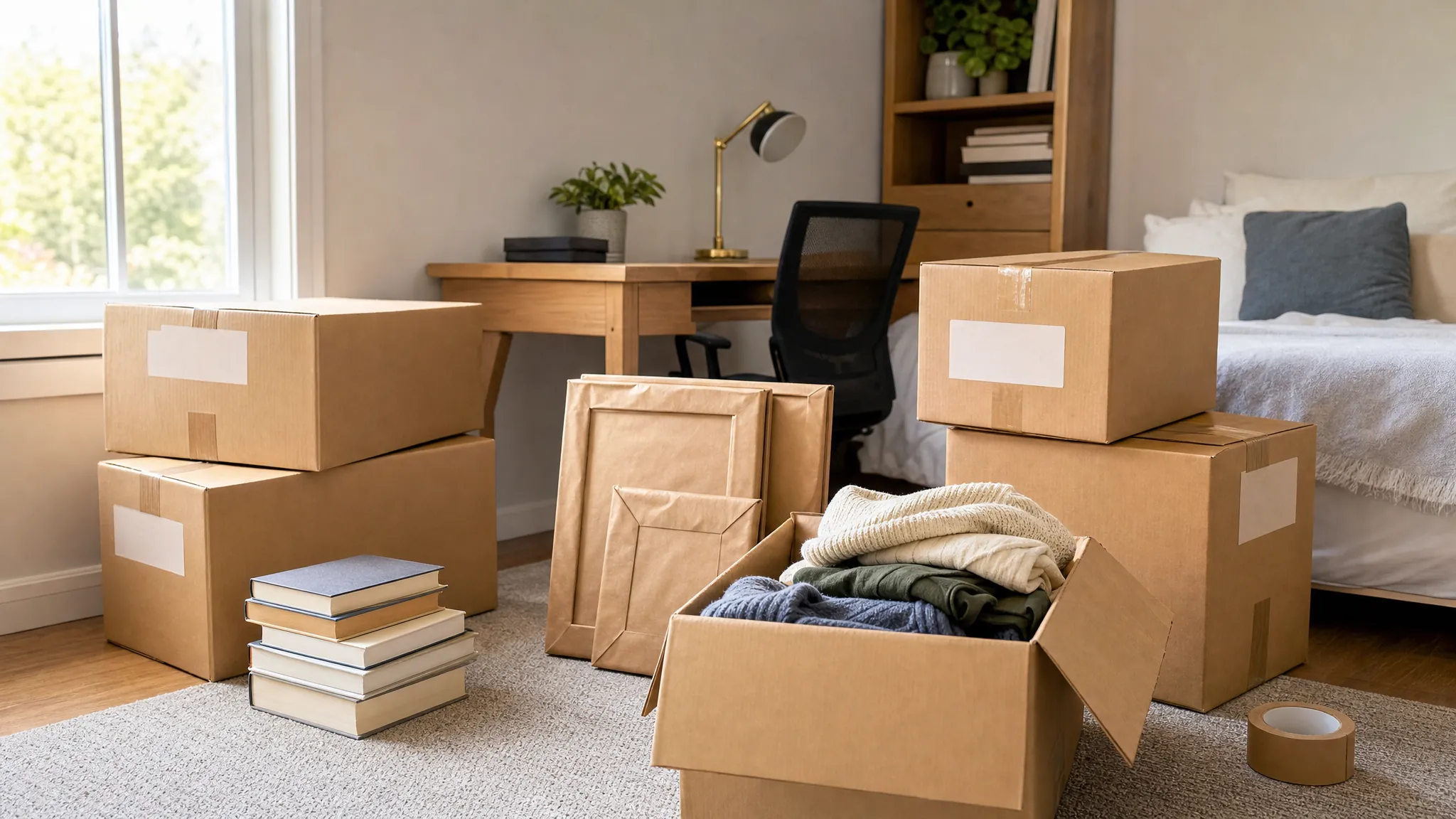

Framed photos, artwork and mirrors are easy to damage because the vulnerable parts are right at the edges: glass, corners, hanging hardware and sometimes a finish that scratches easily. The best way to pack pictures for moving is to protect each frame before it goes into a box, keep every piece upright, and make sure nothing can slide or press into the glass during the ride.
Start this job before the final few days. Wall art comes down early, clears a room quickly and gives you time to protect it properly instead of leaning a stack of frames against a wall until moving morning. A simple system works for most household pictures. Larger, heavier or valuable pieces deserve a more careful plan from the start.
1. Sort pictures by size, material and value
Gather framed pictures from one room at a time and separate them into sensible groups: small framed photos, medium wall art, large frames, mirrors and anything especially valuable or fragile. Frames of a similar size fit together more safely than a random stack. This also tells you whether regular boxes will be enough or whether you need picture boxes, mirror boxes or a professional packing plan.
Look closely at each piece before wrapping it. Note loose glass, a wobbly frame, a damaged corner, a canvas that is not protected by glass, or hardware that protrudes from the back. Take a quick photo of a gallery wall before it comes down, then put the hanging hardware for each frame in a small labeled bag. A tiny bag taped to the outside of the wrapped frame is easier to find later than a handful of hooks at the bottom of a carton.
Set aside irreplaceable family photos, original art, antiques or pieces with high financial value. Those items may need specialty packing materials, a custom crate or transport in your own vehicle. It is better to decide that while the piece is still on the wall than after every normal box is already sealed.
2. Gather the right supplies before you start
For everyday framed pictures, use clean packing paper, bubble wrap, low-tack painter's tape, cardboard corner protectors, sturdy tape and picture boxes that are only a little larger than the frames. You can use a clean moving box for several small pieces, but a box that is much wider or taller than the contents creates room for the frames to shift.
Keep newspaper away from unprotected artwork or light-colored mats. Ink can transfer, especially when a frame is stored in heat or humidity. Clean unprinted packing paper is the safer default. Avoid using blankets or towels as the only protection for a glass frame. They are useful as an outer layer, but they do not keep two hard frame corners from pressing into each other.
Use painter's tape rather than packaging tape on glass. The tape should come off more cleanly, but still test a small hidden area on a delicate or older frame first. Do not tape directly to the art, a paper print or a painted frame finish.
3. Protect the glass and corners first
For framed pieces with glass, apply two strips of painter's tape in an X across the front. This is a precaution, not armor. It can help hold pieces together if the glass breaks, but it does not prevent a hard impact or replace proper padding. Skip the tape if a conservator, gallery or frame maker has given you specific care instructions for that piece.
Put a corner protector on each corner next. Corners take the first hit when a picture is set down, carried through a doorway or placed in a truck. Cardboard protectors are inexpensive and give the frame a little clearance from neighboring pieces. For an especially delicate frame, add a layer of cardboard over the glass before you wrap it.

Then wrap the front and back with several layers of clean packing paper. Fold the paper over the edges like you are wrapping a present, but keep the folds snug without pulling so hard that they put pressure on the frame. Add bubble wrap around the paper-wrapped frame, paying extra attention to the corners. Tape the wrap to itself, never directly to the artwork or frame.
4. Use the right box and pack frames upright
A picture box should be close to the size of the frame. Slide the wrapped picture into the box on its long edge, with a sheet of cardboard or bubble wrap between pieces. Think of the box as a file drawer, not a stack of pancakes. Upright frames are less likely to carry the full weight of another frame across the glass.
Put the heaviest or largest frame toward the outside edge of the box, then add smaller pieces only if they fit without forcing them. Fill open space with crumpled packing paper or bubble wrap so the frames cannot tip, rattle or slide. When you lift the closed box, the contents should feel steady. If the box shifts, open it and add padding before it goes anywhere near the truck.
For small framed photos, wrap each piece separately and place them upright in a sturdy small carton. A vertical row of protected frames with padding between them is safer than a loose pile. Do not mix them with books, dishes, tools or other dense items. A picture box should contain pictures and light protective material, not whatever happened to fit in the last open corner.
5. Give mirrors, canvases and large pieces their own plan
Mirrors need the same basic protection as framed pictures, but their size and weight raise the stakes. Tape an X on the glass, add corner guards, wrap the mirror completely, and use a mirror box or a custom-built container that keeps it upright. Never try to save space by placing heavy boxes on top of a mirror box.
Canvases and unframed paintings are different because the painted surface can dent, scratch or stick to wrapping material. Do not let bubble wrap touch a painted canvas. Place a clean, smooth barrier over the face first, then pad around the outside and keep the artwork upright. Original work, older pieces or anything with a delicate surface is worth discussing with a professional art handler or mover before moving day.
Large framed artwork can be awkward even when it is not especially heavy. Measure it before buying boxes, and leave room in the moving plan for doorways, stair turns and the truck. If the frame needs two people to carry safely, it needs two people from the moment it comes off the wall, not only when it reaches the front door.
6. Label boxes clearly and load them in a stable spot
Mark each box with the destination room, a broad description and “fragile.” Add an arrow showing which side should stay up. “Living room pictures” or “Primary bedroom frames” is more useful than a vague label because it tells you where the box belongs as soon as it arrives. Keep a short phone note for a few pieces that need to be unpacked first or hung in a specific place.
On the truck, picture boxes should stand upright against a stable surface and be secured so they cannot slide. They should not be placed where another item can fall against them. A padded space between mattresses, sofas or other well-secured furniture can work well when the frames are protected and held upright. Tell the moving crew which boxes contain glass so they can make that judgment with the full truck layout in mind.

Do not leave wrapped frames in a hot car, a damp garage or an uncovered driveway while the move is underway. Heat, moisture and a hurried last-minute stack are a bad combination for photographs, paper prints and wood frames. Keep the frames indoors until they are ready to load, then bring them straight inside at the new address.
7. Unpack pictures after the room is ready
At the new home, bring picture boxes into their destination rooms and let them rest upright in a dry, stable spot. Open one box at a time. Check the frame, glass and corners before removing all the padding, then set each piece face-up on a clean surface or lean it safely against a wall where it cannot be bumped.
There is no need to hang every picture on the first night. Start with the rooms that need to feel settled, then work through the rest after furniture is in its final position. This keeps you from carrying a frame across a room several times while trying to decide where a sofa or bed belongs. Taylor's guide to what to pack first when moving can help you keep wall decor and other low-use belongings in the earlier packing stages.
8. Know when professional packing makes more sense
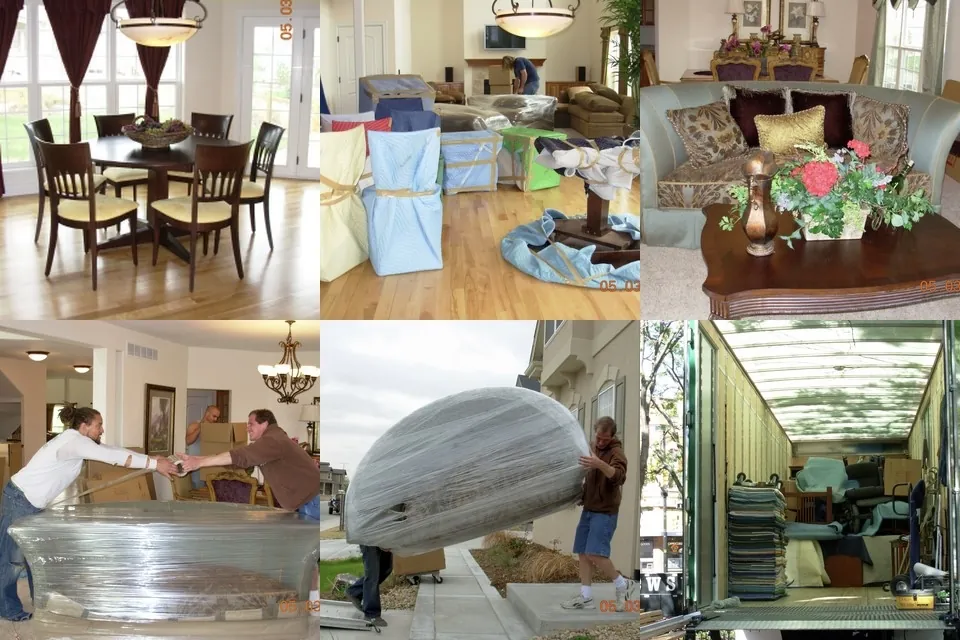
One or two standard frames are a manageable do-it-yourself project. The decision changes when you have a wall full of art, oversized mirrors, fragile antiques, a large canvas collection, a tight move schedule or a home that is already full of other packing work. Those are the situations where careful materials and practiced handling can save time and prevent an expensive mistake.
Taylor can provide full or partial packing help for fragile items, furniture protection and the rooms that need extra attention. The team can also coordinate climate-controlled storage when moving dates do not line up, or help with the broader plan through Taylor's moving services. For a move involving multiple large or fragile pieces, request an estimate with the frame sizes, access details and anything that needs special handling.
Frequently asked questions
What should I use to pack pictures for moving?
Use clean packing paper, bubble wrap, corner protectors and sturdy picture boxes sized as closely as possible to the frame. For a small framed photo, a well-padded moving box can work. Larger framed artwork, mirrors and glass-fronted pictures need a dedicated flat box or professional packing help.
Should I tape an X across picture-frame glass?
A few strips of low-tack painter's tape in an X can help keep small pieces of broken glass together if the glass breaks. It does not make a frame shatterproof, so the frame still needs corner protection, padding and a box that keeps it from moving.
Can I stack framed pictures flat in a moving box?
Avoid stacking framed pictures flat when possible. Place them upright on their long edge in a properly sized picture box, add padding between each piece and keep them from shifting. Flat stacking puts the weight of one frame directly on the glass of another.
How do I pack a large mirror for moving?
Protect the glass with a tape X, add corner guards, wrap it fully and use a mirror box or a custom crate when needed. Large, heavy or valuable mirrors are a good reason to ask a professional mover about the right packing and handling plan.