

A commercial move affects more than furniture. It changes where employees work, how customers reach you, what equipment stays accessible and how quickly the new space needs to function. Taylor helps Boulder businesses set a practical sequence for that work, so moving day has an order instead of creating a second full-time job for your team.
Taylor has served Colorado since 1997 with reliable, affordable moving support for Front Range households and businesses. Start with the two locations, moving date, furniture and equipment involved, and the parts of your operation that cannot wait. Those details give the team a clear picture of the work before moving day begins.
Start with the work that needs to resume first
Every business has a different first-day priority. It may be reception, a customer-facing area, a few workstations, a retail counter, files, a conference room, a storage area or specialized equipment. Decide what must be usable first at the new address, then let that list guide the order of packing, loading and placement.
Build a simple inventory by room, department or zone. Include shared areas, storage rooms, furniture, displays and equipment that belong in a specific place. Flag anything oversized, fragile, heavy or difficult to move. The clearer the starting picture, the easier it is to match the crew, truck and protection to the actual workload.
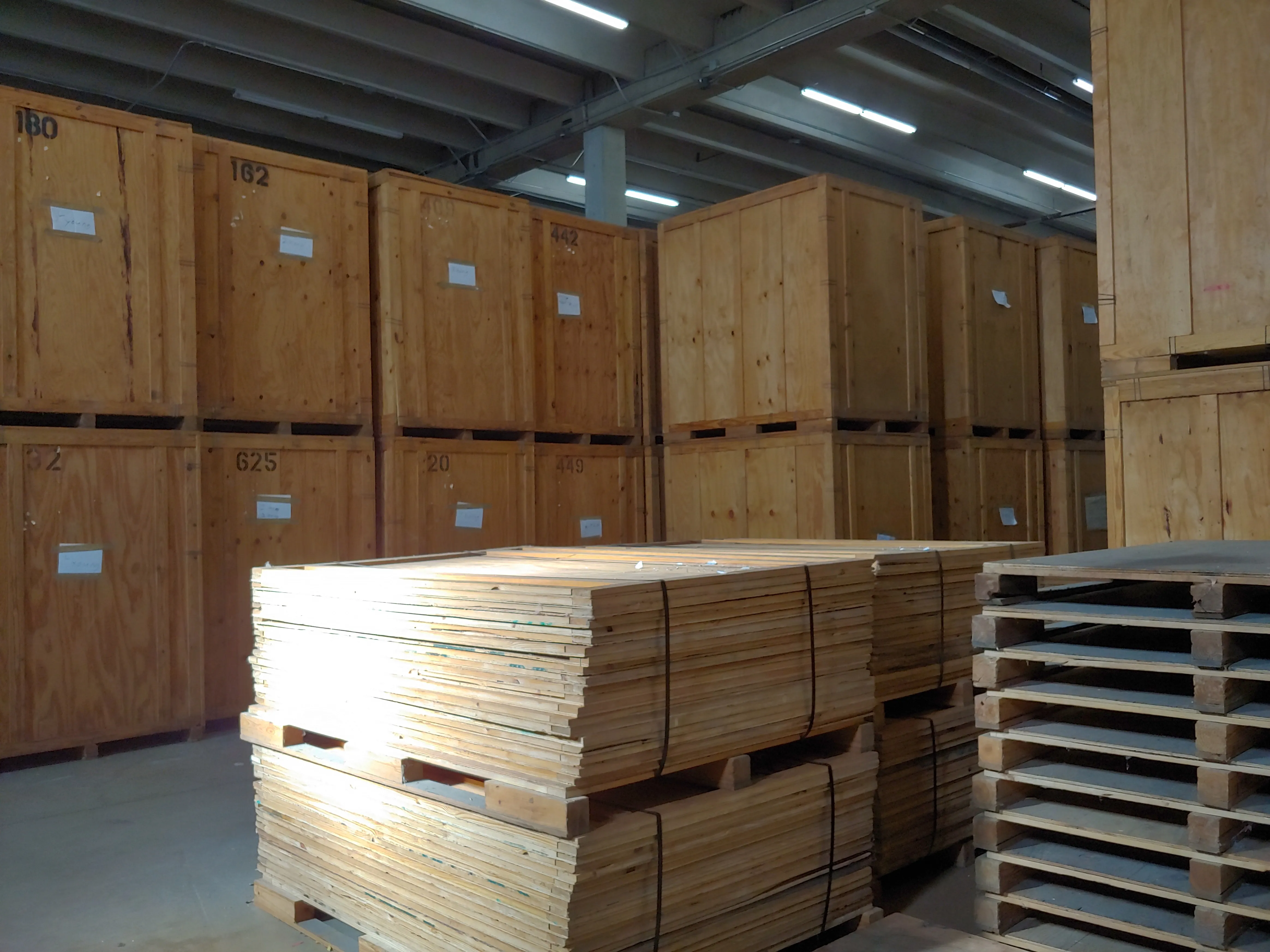
Confirm access at both Boulder locations
In Boulder, the access plan can shape the entire day. Downtown and Pearl Street-area buildings can have limited loading options, while office parks, retail spaces and mixed-use properties may have building rules, security procedures or designated service entrances. Confirm where the truck can park, which entrance the crew should use and whether there is a move window, elevator reservation or loading-dock process to follow.
Ask each property about parking approval, loading areas, elevators, stairs, door clearances, insurance requirements and the right person to contact on moving day. Share that information before the estimate is finalized. Good access planning limits waiting at the curb and helps the crew spend more of the day on the move itself.
It also helps to walk the route your furniture and boxed materials will take. Check for narrow turns, busy common areas, a long carry from the loading zone or a door that needs to stay clear for customers. If the property has a manager or building engineer, let them know the planned moving window and confirm the details they need from your team. A few early conversations can prevent a workable move plan from getting delayed by an avoidable access question.
Label everything for its next working space
Commercial moves get difficult when boxes arrive without a destination. Use one simple naming system for rooms and zones, such as reception, sales floor, accounting, conference room, storage or workstation group A. Mark cartons on more than one side, then add a short note when it will help, such as “IT: monitor arms” or “Break room: coffee supplies.”
Furniture deserves the same preparation. Keep keys, remotes and hardware with the matching piece when appropriate, and identify where larger items should land before the truck arrives. Take photos of cable connections before equipment is disconnected, then keep those photos with your internal setup plan. Taylor handles the moving work, while clear labels help your team settle in without opening every box.

Plan the route for furniture and equipment
Desks, conference tables, shelving, display fixtures and workstations can require a particular route through the building. Measure tight doorways, stairs and elevators when you are unsure. Tell Taylor about large, fragile or specialty pieces early, including artwork, safes and equipment that needs extra attention, so the plan accounts for the protection and access they require.
At the new space, a floor plan, labeled rooms or a walk-through with one move coordinator makes placement much easier. Getting substantial pieces into the right room on the first pass saves unnecessary lifting later and leaves clearer pathways while the rest of the workplace is set up.
Give your team a short, clear role
Employees should know what belongs in the move, what travels with them and who can answer questions during the day. Ask people to keep laptops, personal valuables, access cards, sensitive records, medications and anything needed immediately out of shared cartons. Assign responsibility for personal desks, common supplies, keys and final checks so important details are not assumed to belong to someone else.
Choose one point person who can confirm room placement, answer building questions and make quick decisions as the crew works. That does not put every task on one person. It gives Taylor a clear contact when a decision is needed, which keeps several people from being pulled into the same issue at once.
Use packing and storage when they protect the workday
Some teams prefer to pack their own files and supplies. Others need help with furniture, shared rooms, fragile items or a deadline that is getting close. Taylor offers full and partial packing, furniture disassembly and placement support, so you can bring in help where it saves the most time.
If your timing, build-out work or access windows do not line up, Taylor can coordinate climate-controlled storage in Longmont for furniture, equipment or boxed materials that cannot go straight into the new space. Separating first-day essentials from items that can wait gives the workplace room to function while the rest of the plan stays organized.
Set up the first day with purpose
Think about the new location as a sequence, not one giant delivery. Start with customer-facing areas, key workstations, necessary files and the equipment that needs to be available first. Then move through furniture, storage areas, break rooms and the spaces that can be set up at a steadier pace. That order gives people a workable place to begin instead of a new space full of unopened cartons.
A staged move can be especially useful when the business needs to keep serving customers, finish work at the old space or wait for part of the new space to be ready. One group may move first while another stays in place, or the team may set up essential rooms before bringing over the remaining furniture and supplies. Taylor can plan the moving work around that sequence, but your internal point person should make clear which items need to travel first and which can follow in the next phase.
Before the crew leaves, take a short walk through the priority areas with the move coordinator. Confirm that major furniture is in the intended room, that clear paths remain for your staff, and that the items needed for the next day are accessible. This final check is a simple way to catch a placement question while the crew and the information are still in the same place.
For a more specific workplace focus, explore Boulder office moving. For broader support, see commercial moving and Boulder moving services. When you are ready, request an estimate with the two addresses, access notes and the areas that need to be ready first, or call 303-443-5885.