
A commercial move changes more than an address. It affects where staff work, where customers arrive, how equipment is handled and how quickly the new space needs to function. Taylor helps Longmont businesses build a practical plan around those priorities, so moving day has an order instead of becoming an interruption that follows the business into its new space.
Taylor is based in Longmont and has served Front Range customers since 1997. Start with the two locations, the moving date, the workspaces involved and the parts of the operation that cannot wait. From there, Taylor can help shape the crew, equipment and schedule around the furniture, boxed materials and access details that make your move different from anyone else's.
Begin with the business functions that need to return first
Before you set a moving sequence, decide what has to work first at the new location. That may be reception, customer service, a sales floor, essential workstations, files, a warehouse area, a conference room or a production space. Listing those first-day priorities helps separate what is urgent from what can follow after the initial delivery.
Turn that list into a simple room-by-room or department-by-department inventory. Include shared areas, back rooms, storage closets, furniture and equipment that belongs in a particular location. Flag anything oversized, fragile, heavy or difficult to move. A clear picture ahead of time helps Taylor plan the right crew and protection instead of leaving important decisions until the truck is already at the door.

Confirm access at both Longmont locations
Access shapes a commercial move as much as the inventory. Your current or new space may have a loading area, shared parking, elevator rules, a service entrance, a set delivery window or building-management requirements. Offices around downtown Longmont can have different parking and entry considerations from industrial, retail or flex spaces around the city. Confirm the truck location, entrance and point of contact before moving day.
Ask each property about loading docks, elevators, security procedures, door clearances, parking approval and the times when the crew can work. If the business is open to customers, consider where employees, visitors and deliveries will go while the move is happening. Sharing those details early helps prevent avoidable waits and keeps the crew focused on moving the planned work safely.
Label for the new workspace, not just the old room
Every box should answer one useful question when it arrives: where does this go next? Use a consistent naming system for destinations, such as front desk, retail floor, accounting, conference room, receiving, break room or workstation group A. Mark cartons on more than one side and add a brief contents note when it will save time during setup.
Use the same approach for furniture and equipment. Keep keys, remotes, cables and hardware with the matching item when appropriate, but never loose inside a carton where they can damage something else. Take photos of cable connections before equipment is disconnected, then keep those photos with the person coordinating the setup. Careful labels reduce the time employees spend opening boxes that belong somewhere else.

Plan around furniture, equipment and the route through the building
Large desks, conference tables, shelving, display fixtures and workstations may need disassembly, careful wrapping or a particular route through the building. Measure tight doorways, stairs and elevators when you are uncertain. Tell Taylor about specialized furniture, artwork, safes or equipment early so the move plan can reflect the protection, access and handling those items require.
At the new location, decide where larger items belong before the crew begins unloading. A simple floor plan, labeled rooms or a walk-through with one move coordinator keeps placement clear. Getting substantial pieces into the right location on the first pass avoids unnecessary lifting later and gives your team usable pathways while the rest of the move continues.
Give staff a short, specific role in the move
Employees should know what they need to pack, what travels with them and who can answer questions on moving day. Ask people to keep laptops, personal valuables, access cards, sensitive records, medications and the items they need immediately out of shared cartons. Assign responsibility for personal desks, common supplies, keys and final checks so nothing important is assumed to belong to someone else.
Choose one point person who can confirm room placement, answer building questions and make decisions as the crew works. That does not mean one person has to carry every detail. It means Taylor has a clear contact when something needs direction, which helps prevent several people from being pulled into the same decision at once.
Use packing and storage to keep the move from crowding the workday
Some businesses prefer to pack their own files and supplies. Others need help with the rooms, furniture or fragile pieces that would pull employees away from their normal work. Taylor offers full and partial packing, along with furniture placement and disassembly support, so you can use help where it protects time and reduces last-minute pressure.
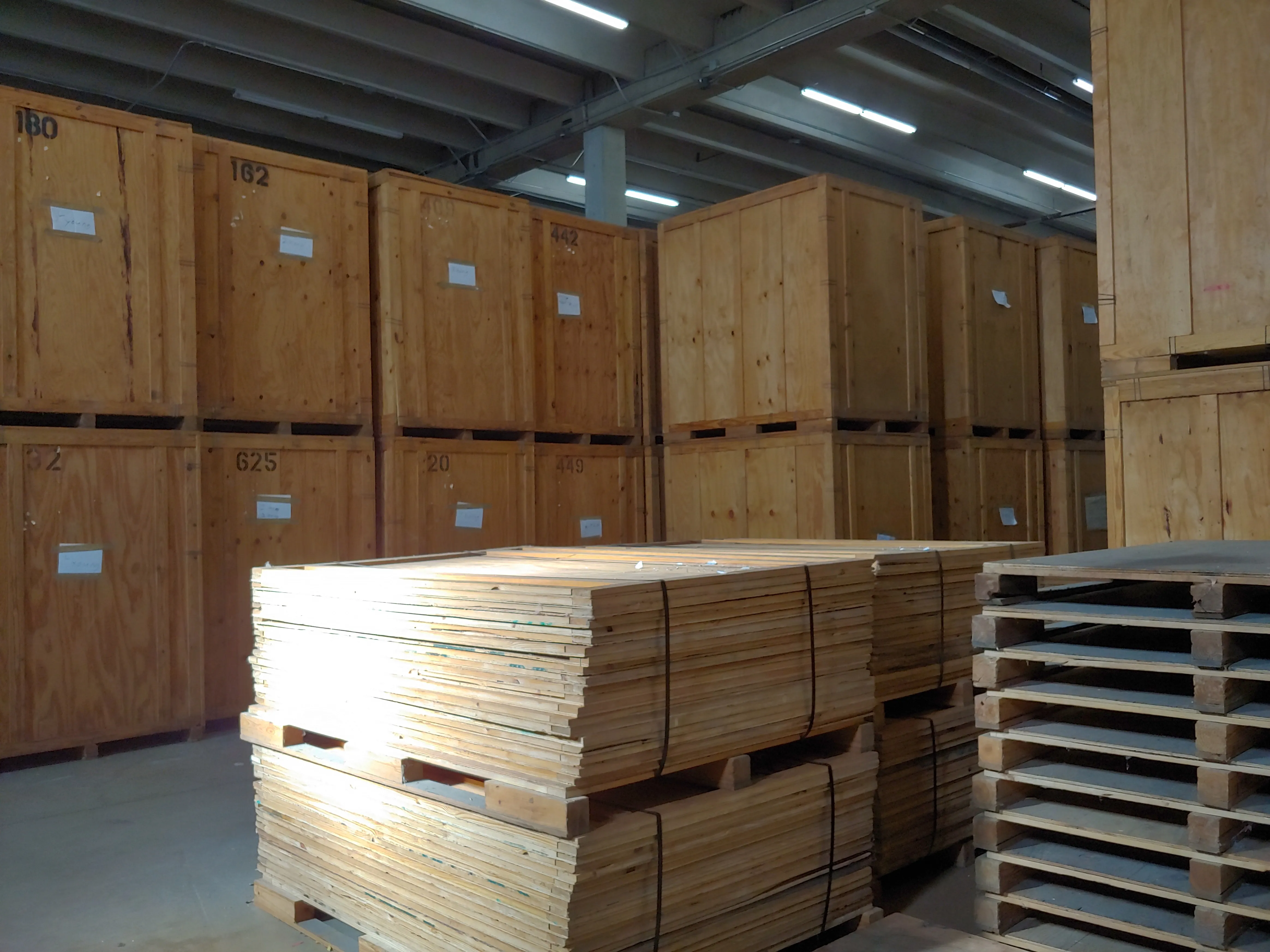
If your dates, construction work or access windows do not line up cleanly, Taylor can coordinate climate-controlled storage in Longmont for furniture, boxed areas or equipment that cannot go straight into the next space. Separating first-day essentials from items that can wait gives the new workplace room to function while the rest of the plan stays organized.
Finish with a clear first-day setup plan
Think about the new location as a sequence, not one giant delivery. Start with the customer-facing areas, essential workstations, necessary files and the equipment that needs to be ready first. Then follow with furniture, storage areas, break rooms and the rooms that can be set up at a steadier pace. That order gives your people a workable starting point instead of a new space full of unopened cartons.
For a broader view of Taylor's support, explore commercial moving, professional packing and Longmont moving services. When you are ready, request an estimate with your two addresses, moving date, access notes and the areas that need to be ready first, or call 303-443-5885.