
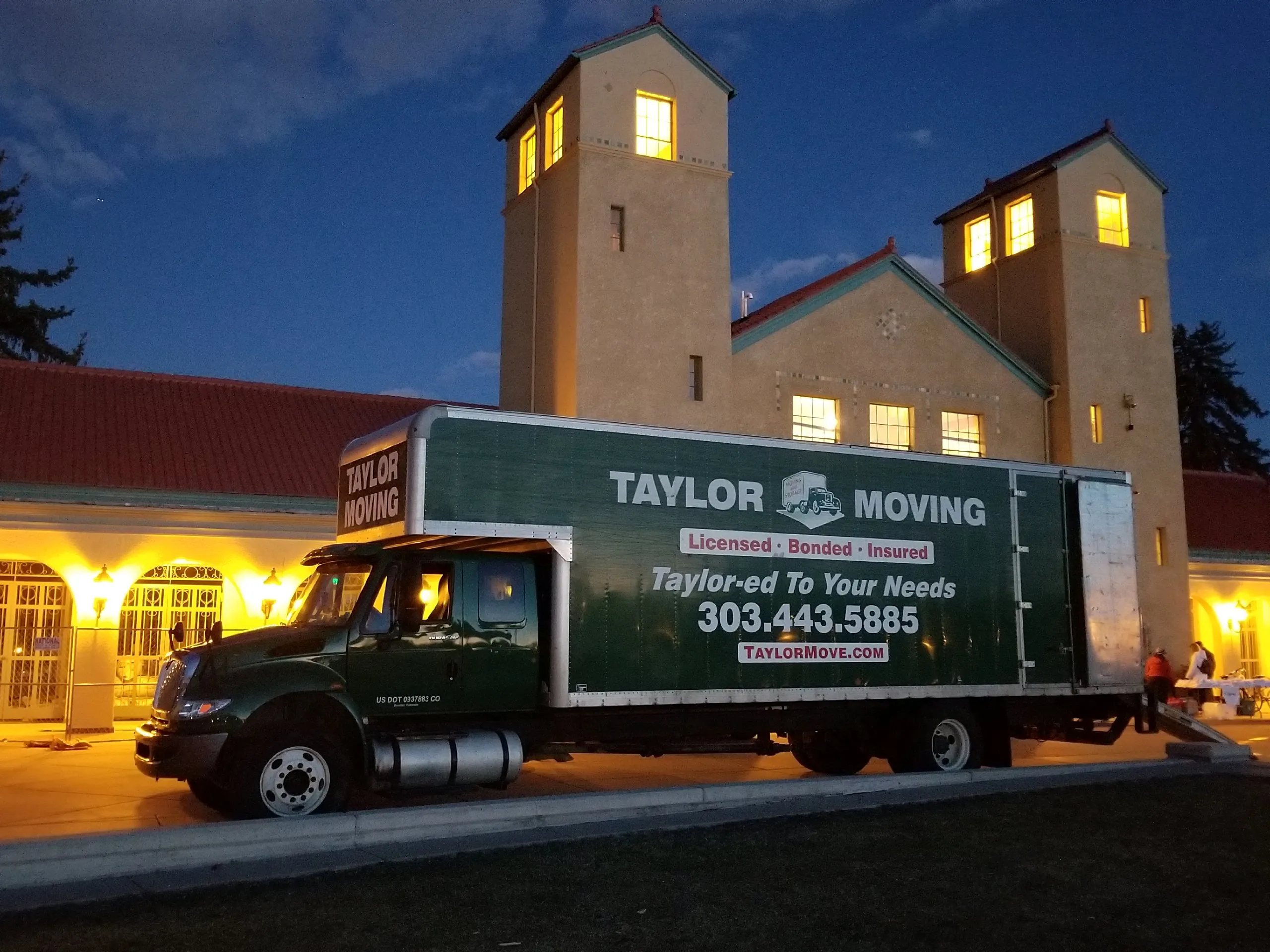
A local move in Boulder can cover a short distance and still ask a lot of moving day. Apartment buildings have elevator reservations. Older neighborhoods can have narrow driveways or limited curb space. A home may have large furniture, a steep entry or a room-by-room plan that matters once the truck reaches the new address. Taylor helps households turn those details into a clear, reliable plan.
Taylor has served Colorado households since 1997. Start by sharing the two addresses, your preferred date, what is moving and the access at both ends. That gives the team the information to plan the crew, truck, furniture protection and moving sequence around your home, not a generic checklist.
Start with access at both Boulder addresses
Before moving day, look at where the truck can park and how belongings will travel from the door to the truck. Boulder homes, apartments and condos can have different access challenges: street parking, alleys, long walks from a loading zone, stairs, narrow hallways or shared driveways. Let Taylor know which entrance works best and whether the route includes any tight turns or steps.
If you are moving from or into an apartment or condominium, ask management about elevator reservations, loading areas, move windows, parking rules and any notice they need in advance. A reservation or loading-zone detail may seem small, but it can determine when the crew can start and how efficiently the day moves forward. Confirm it early, then include it with your estimate request.

Build a simple inventory around the things that need care
You do not need a perfect box-by-box list to begin. A useful starting inventory includes the rooms, larger furniture, approximate number of boxes and anything that needs special handling. Mention artwork, antiques, safes, pianos, fragile pieces or furniture that may need to be taken apart. That helps Taylor understand the protection, equipment and time your specific move requires.
Walk through each room with the destination in mind. Decide what is moving, what is being donated or discarded, and what you will carry with you. Keeping those groups separate prevents the crew from having to sort through mixed items when the truck is waiting outside. It also gives you a calmer final day, because the belongings you want to keep close do not disappear into an unlabeled carton.
Pack in a way that makes the next home easier to use
Pack one room or one clear category at a time, then label boxes with both the destination room and a short description. “Kitchen: everyday dishes” or “Office: files” gives the crew a direct placement instruction at the new address. Mark more than one side of each box so the label remains visible after stacking. Small, clear labels save a surprising amount of time once delivery begins.
Keep dense items, such as books, tools and dishes, in smaller liftable boxes. Use larger cartons for lighter belongings like linens, pillows and clothing. Wrap fragile items so they cannot shift, and keep hardware with the furniture it belongs to. If packing the entire home is not realistic before your date, Taylor can provide full or partial packing support for the rooms or belongings that need a professional hand.
Plan furniture placement before the truck arrives
Local moving is smoother when larger pieces have a destination before unloading begins. Think about where beds, sofas, tables, shelving and desks should go, then clear a path to each room. If the new home has a narrow doorway, stairs or a tight hallway, measure when you are unsure and let Taylor know before the move. A little early planning can keep a big piece from becoming a last-minute puzzle.
Taylor can help with furniture protection, disassembly and placement as part of the moving plan. At the new address, give the crew a quick walk-through or use room labels so they know where major pieces belong. Getting furniture into the right room on the first pass reduces extra lifting and lets you start settling in while the rest of the move continues.
Make the moving day easier on your household
Moving day runs more smoothly when everyone knows what is happening before the truck arrives. Clear walkways, move small loose items away from doors and keep children and pets in a quiet area that is outside the crew's path. If you are moving out of a building, confirm the key handoff, elevator time or manager contact the day before. If you are leaving a house, make sure the driveway or curb space is available when the truck is expected.
Choose one person who can answer quick questions about placement, access or items that need extra attention. That does not mean they need to direct every box. It gives the crew a clear contact if something changes or a room needs confirmation. A simple point of contact helps keep the move organized while everyone else can focus on their own final checks.
Use the right help for the parts that take the most time
Some households want Taylor to handle the complete local move. Others need help with the labor-heavy part, such as loading, unloading, furniture protection or a few rooms that still need packing. The right scope depends on your timeline, the amount of belongings, access at both homes and how much you want to manage yourself. There is no benefit in paying for support you do not need, but there is also no prize for turning the most demanding work into a last-minute scramble.
Be direct about where you would like help. Tell Taylor if the kitchen, artwork, larger furniture, storage area or final boxes need attention. If you have already arranged a rental truck or container, loading and unloading support may be the practical fit. Clear information makes it easier to put together an affordable estimate that reflects the actual work, rather than a vague guess.
Keep the first night separate from the main move
Set aside a bag or tote with medications, important documents, keys, chargers, valuables, toiletries, towels, snacks and a change of clothes. Keep it with you rather than mixing it into the truck. The first evening is easier when you can find the things you need without opening every kitchen or bedroom box.
It also helps to choose the rooms that need to work first. Most households start with a bedroom, bathroom and basic kitchen supplies. Tell the crew which rooms have priority, and keep entryways clear while furniture comes inside. That gives everyone a safer place to work and avoids turning the first hour in the new home into an obstacle course of boxes.
Use storage when local dates do not line up
Sometimes a local move needs an extra step. A closing date changes, a new home is not ready, or you need more space before everything can come inside. Taylor offers climate-controlled storage in Longmont to help bridge those timing gaps. You can move the essentials first and keep the rest secure until the next part of the plan is ready.
For broader household support, explore full-service residential moving or Boulder moving services. When you are ready, request a free moving estimate with your addresses, date, inventory and access notes, or call 303-443-5885. Taylor will help build a reliable, affordable plan around the move you actually have.